Cheating a warranty risks losing coverage entirely and can lead to civil restitution or, in serious cases, criminal charges. The Office of Consumer Affairs and the Competition Bureau both make clear that manufacturers can void a policy the moment fraud shows up, and LegalClarity's analysis confirms that repeated or high-dollar schemes cross into criminal territory. If you've already stretched the truth on a claim, stop, preserve your paperwork, and file it straight instead.
TL;DR:
- Backdating receipts or swapping parts to extend coverage are easily detected through serial number checks and repair histories, leading to claim denial and potential legal issues.
- Filing a claim without proper documentation, such as proof of purchase or prior repair records, significantly increases the risk of claim denial or warranty voidance.
- Warranty providers routinely monitor claim frequency, registration data, and submitted images to identify and prevent fraudulent claims.
- Unauthorized repairs, product damage from user mishandling, or buying through grey-market channels typically void warranty coverage.
- Genuine warranty claims require prompt, factual communication with the manufacturer, proper documentation, and avoidance of pressure tactics from scam offers.
Table of Contents
- Understanding Warranty Loopholes: What Each Type Actually Covers
- What Warranties Don't Cover and the Loopholes People Try
- What Happens Legally When a Warranty Claim Is Fraudulent
- How Manufacturers Catch Warranty Fraud
- How to File a Legitimate Warranty Claim (Checklist)
- Red Flags: Spotting a Fake or Predatory Extended Warranty Offer
- Why Warranty Integrity Actually Protects Everyone (A Publisher's View)
- Where to Verify Warranty Rights and Report Fraud
- Get Hardware Backed By a Warranty You Can Actually Trust
- Sources
Understanding Warranty Loopholes: What Each Type Actually Covers
Not every warranty works the same way, and confusing one type for another is where a lot of honest mistakes start. A manufacturer's warranty (sometimes called a factory warranty) comes bundled with the purchase and covers defects in materials or workmanship for a set window, usually a limited number of years on electronics and several years on major car components. Extended warranties are add-on contracts, often sold by a third party rather than the manufacturer, that stretch coverage further for an extra fee. Implied warranties exist even when nobody puts them in writing: Canadian consumer protection law generally assumes a product will do what it's supposed to do for a reasonable period, though "as-is" sales can waive that in certain private-sale contexts.
The Office of Consumer Affairs breaks down how each type gets triggered and what a consumer needs to do to keep it active. In practice, that means:
- Registering the product within the window the manufacturer specifies, even though registration itself isn't always legally required
- Using authorized repair shops, since aftermarket work can void coverage on the spot
- Keeping the original proof of purchase, because a missing receipt is the single most common reason claims get denied
Skip any of these and you're not cheating anyone but yourself.
What Warranties Don't Cover and the Loopholes People Try
Every warranty has edges, and most disputes happen right at them. Coverage almost never extends to accidental damage, cosmetic wear, unauthorized modifications, or products bought through gray-market channels where the seller wasn't an authorized dealer. A cracked phone screen from a drop, for instance, is user damage, not a defect. That distinction is where the pressure to cheat usually starts.
The tactics people try, and why they tend to backfire:
- Backdating a receipt or invoice to squeeze a purchase back inside the coverage window, which forensic date stamps and retailer records usually expose.
- Swapping parts from a damaged unit into a working one before filing a claim, a move technicians catch through serial number mismatches during teardown.
- Mischaracterizing the cause of failure, claiming a manufacturing defect when the real cause was liquid exposure or physical impact, something failure analysis labs are specifically trained to spot.
Manufacturers cross-reference serial numbers against registration databases and repair histories before approving anything. A claim that doesn't line up with a product's documented life gets flagged fast, and that flag follows the account.
What Happens Legally When a Warranty Claim Is Fraudulent
The immediate consequence is almost always the same: the manufacturer denies the claim and voids the warranty outright. From there, the exposure scales with the size and pattern of the fraud. A single inflated claim might just cost you the coverage and the repair bill. Organized schemes, forged documents, or claims involving real money at scale are a different story.
By the numbers: LegalClarity's analysis notes that false warranty claims can expose the claimant to civil liability for restitution and damages, and that larger or organized fraud schemes can trigger criminal prosecution.
Companies pursuing civil damages typically seek the cost of the fraudulent repair plus any investigation expense. Criminal charges tend to enter the picture when there's a pattern (multiple false claims across time or products), forged documentation, or dollar amounts high enough to interest a prosecutor. One detail worth knowing: correcting a mistaken or exaggerated claim voluntarily, before a company launches a formal investigation, meaningfully reduces your exposure and signals you didn't intend to deceive anyone.
How Manufacturers Catch Warranty Fraud
Warranty departments aren't guessing. They're running documented processes built specifically to catch the patterns fraud tends to leave behind.
- Serial and registration cross-checks that flag a product claiming defect status when its registration record shows it was purchased somewhere unauthorized
- Claim frequency tracking that catches a single account or address filing an unusual number of claims
- Forensic repair histories that reveal whether a part was swapped or tampered with before submission
- Photo and video evidence review, increasingly paired with fraud-detection tools that flag inconsistencies in submitted images
Industry commentary suggests fraud involving fabricated receipts and synthetic identities has pushed more brands toward mandatory registration windows and stricter serial validation at the point of sale.
Pro Tip: Photograph your product's serial number and packaging the day you receive it, before anything goes wrong. That single habit resolves more disputed claims than any argument you could make after the fact.
How to File a Legitimate Warranty Claim (Checklist)
Filing correctly the first time avoids almost every problem covered above. Here's the order that actually works:
- Stop using the product if there's active damage, and photograph or video the issue from multiple angles immediately.
- Locate your proof of purchase. A retailer invoice or a forwarded order confirmation email both count.
- Pull any prior service records, since a documented repair history helps rather than hurts a legitimate claim.
- Contact the manufacturer or retailer directly, describing the defect factually. Expect an initial response within a few business days and a resolution timeline that varies by product category.
- Keep every written record the company sends you, including case numbers and email threads, per Manitoba's consumer protection reminders about retaining paperwork for repairs made under warranty.
- Correct any error immediately if you notice you stated something inaccurately, and document that correction in writing.
The FTC's consumer warranty guidance outlines a nearly identical evidence checklist for US consumers, which is useful comparative context if you've ever bought cross-border.
Red Flags: Spotting a Fake or Predatory Extended Warranty Offer
Plenty of "warranty" pitches aren't warranties at all. They're sales scripts designed to look official.
- An unsolicited call or email claiming your vehicle or appliance warranty is "about to expire" is a classic opener, especially when you never gave that company your information.
- Pressure to pay immediately, with no time to review terms, is a hallmark tactic outlined in NerdWallet's breakdown of extended warranty scams.
- A legitimate provider will always give you a sample contract before you pay; refusal to provide one is a hard stop.
- Requests for banking details or a social insurance number upfront belong nowhere in a warranty sales call.
Verify any provider's accreditation and check complaint histories with your provincial consumer protection office or the Competition Bureau before paying anyone. Suspicious offers belong at the Canadian Anti-Fraud Centre.
Why Warranty Integrity Actually Protects Everyone (A Publisher's View)
Warranty fraud isn't a victimless workaround. Every fraudulent claim a manufacturer absorbs eventually shows up in tighter terms, slower approvals, and more paperwork for honest buyers. Midnight-market runs daily testing on its hardware products and staffs live support on Discord precisely because clear evidence standards, not shortcuts, are what keep a warranty program functioning for the people who actually need it. Transparent terms protect the seller's ability to honor claims and the buyer's ability to trust them. The consumer advice above applies just as much to a graphics card or a DMA device as it does to a car or a laptop.
— Fonics
Where to Verify Warranty Rights and Report Fraud
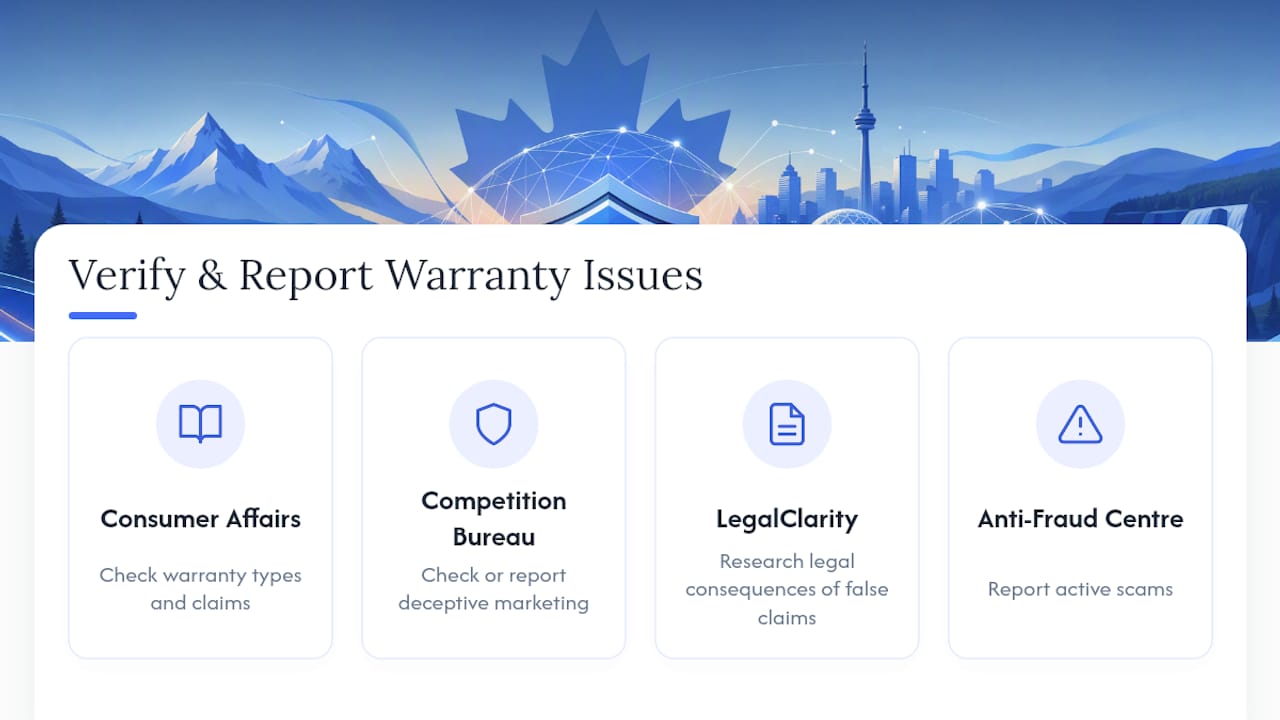
Start with the Office of Consumer Affairs for the rules on warranty types and claims. Use the Competition Bureau to check or report deceptive warranty marketing. Consult LegalClarity for the legal consequences of false claims, and report active scams to the Canadian Anti-Fraud Centre.
Get Hardware Backed By a Warranty You Can Actually Trust
If everything above tells you one thing, it's that a warranty is only as good as the transparency behind it. Midnight-market builds that transparency into its hardware lineup from the start: clear terms, daily-tested products, and live Discord support so you're never guessing about coverage after a purchase.

Options like the Silver DMA firmware warranty and the Gold DMA firmware warranty come with clear one-month terms stated upfront, no fine print scavenger hunt required. Keep your order confirmation email the same way this article recommends for any purchase, since it's your proof of purchase if you ever need support. Browse the full Midnight-market store to see current hardware and cheat products with their warranty terms listed plainly on each product page, then reach out on Discord if you have a question before you buy.