
A hack client is specialized software or hardware that modifies game behavior to give you an undetected competitive edge in titles like Escape from Tarkov and Valorant. These tools go far beyond simple macros. They intercept and alter client-side data, injecting inputs or visual overlays that the game engine reads as legitimate player actions. Common functions include:
- Aimbot: Automatically locks or assists aim onto enemy targets
- ESP (Extra Sensory Perception): Renders enemy positions, loot, and health through walls
- Radar hacks: Displays a real-time minimap of all players regardless of line of sight
- HWID spoofers: Masks your hardware ID to prevent permanent hardware bans
- DMA hardware: Uses a separate PCIe card to read game memory from outside the game process, making detection far harder
The core appeal is staying undetected long enough to matter. That requires constant updates, community vetting, and in many cases, hardware-level solutions that software anti-cheat simply cannot reach.
What is a hack client and how does game security try to stop it?
Online games split their logic between two places: the client running on your machine and the server managing the authoritative game state. Server-side validation ensures that every action a player submits, such as movement speed or a shot registration, is checked against what the server considers physically possible. The client is treated as a display layer, not a trusted source of truth.
Client-side anti-cheat tools like VAC or BattlEye sit on your machine and watch for suspicious memory reads, injected code, or irregular input patterns. The problem is that client-side detection is fundamentally about raising the cost of cheating, not eliminating it. A determined cheat developer who understands the detection logic can work around it, especially with hardware that operates outside the game process entirely.
The real danger for gamers is not getting banned. It is malware. Downloading from unofficial sources is one of the most common vectors for infection, and some cheat packages have been found to carry payloads with capabilities like keylogging, screenshot capture, and browser credential theft. Zscaler's ThreatLabz identified one such implant, SnappyClient, delivered through a fake cheat loader and using advanced evasion techniques including Heaven's Gate and encrypted command-and-control communications.
Pro Tip: Open-source clients let the community inspect the code directly, which dramatically reduces the risk of hidden malware. If a provider will not show you the source or has no verifiable community presence, treat it as a red flag.
How to choose a safe, undetected cheat client
Not every cheat provider is worth your account or your machine. The criteria that separate reliable options from risky ones come down to a short list:
- Daily testing: Anti-cheat updates can flag a previously clean client overnight. Providers who test every product daily catch these changes before you do.
- Verified source downloads: Proprietary or ad-supported clients from sketchy sites frequently bundle malware. Always download from the provider's official storefront.
- Live support: A Discord support channel staffed in real time means you get answers when a cheat goes down, not three days later.
- Hardware warranties: DMA cards and spoofers are physical products. A warranty signals the provider stands behind what they sell.
- Community track record: Active forums, recent user feedback, and a visible update history are harder to fake than a polished landing page.
- Transparency on detection status: Honest providers mark products as "detected" when they are and pull them until a fix ships. Providers who never acknowledge detection issues are hiding something.
Legal exposure is real in the US market. Using cheat software violates the terms of service of virtually every major title, which can result in permanent bans. Some publishers have pursued civil litigation under the Computer Fraud and Abuse Act against cheat developers, though individual end users face account termination far more often than criminal charges. The ethical dimension is straightforward: cheat clients degrade the experience for every legitimate player in the lobby.
Popular cheat software and hardware worth knowing about
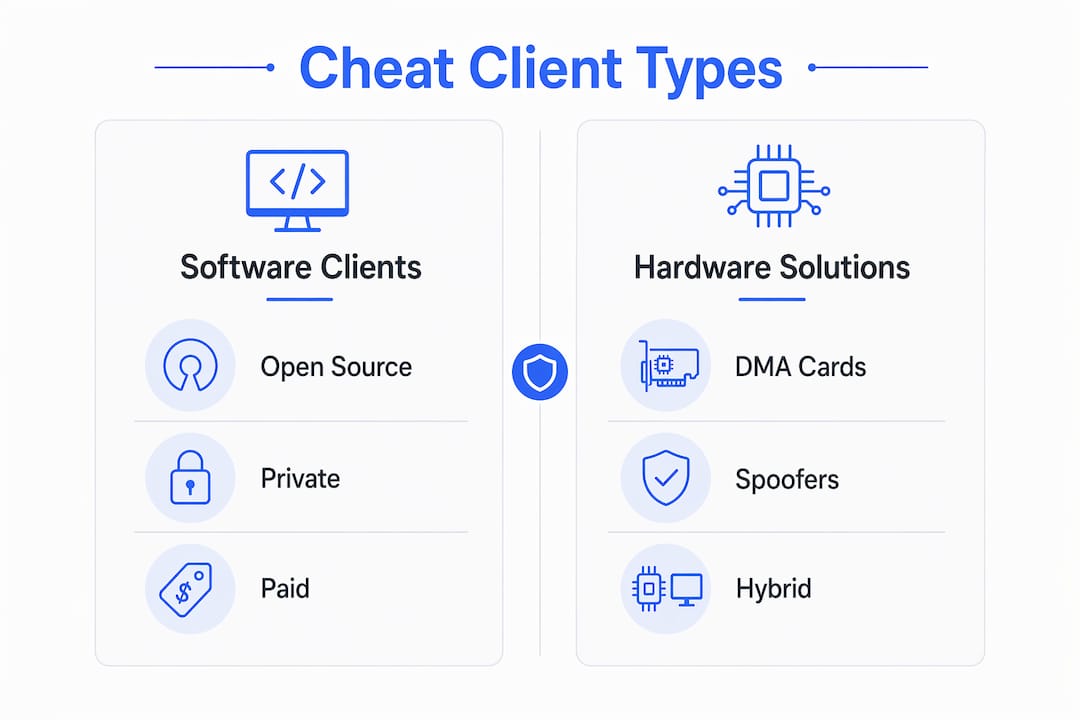
The market for cheat tools splits cleanly into software clients and hardware solutions, and the strongest setups combine both.
Nextcheat EFT Pro is built specifically for Escape from Tarkov and covers the features serious EFT players actually need. Its aimbot handles bone prioritization and smoothing to look human on killcam review. The ESP layer shows enemy positions, health bars, and loot value through terrain. A built-in radar overlay gives you a full positional picture without a second monitor setup. Nextcheat EFT Pro is tested regularly to stay ahead of BSG's anti-cheat updates, which push frequently given how aggressively the studio pursues cheaters.
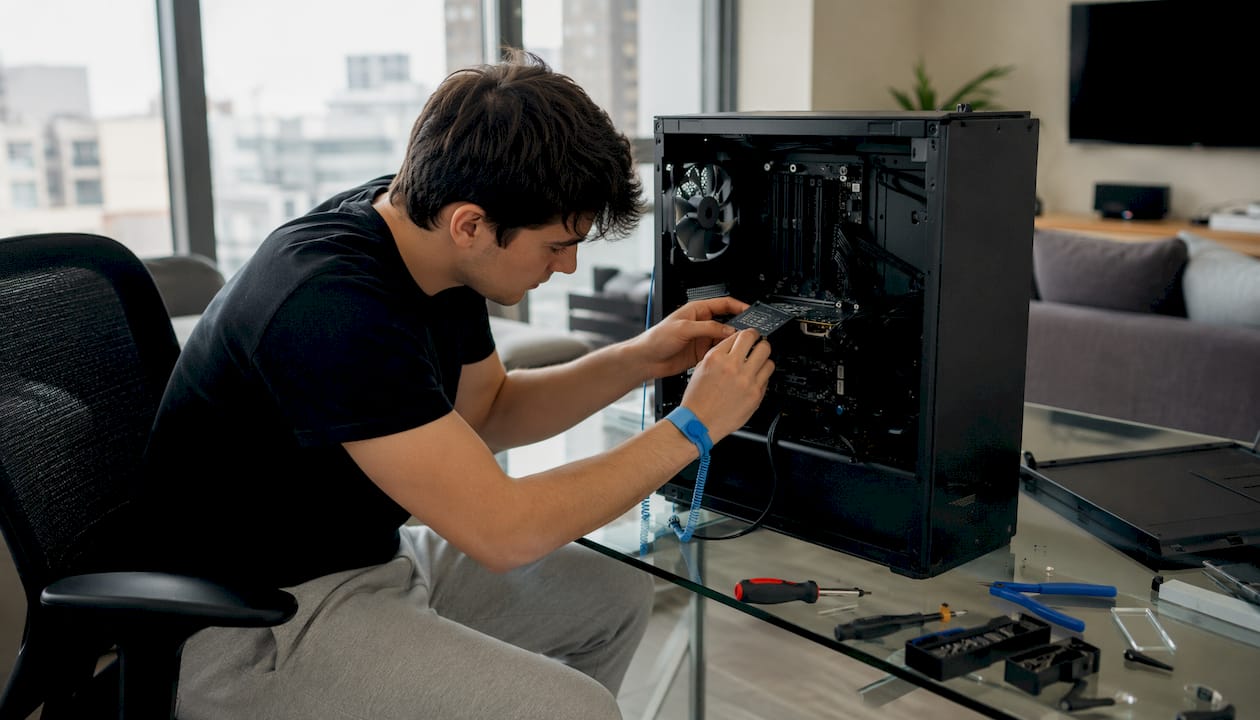
Reported Temp Spoofer addresses a specific and painful problem: hardware bans. When anti-cheat flags your account and issues an HWID ban, every new account you create on the same machine gets flagged immediately. Hardware spoofers like Reported Temp Spoofer mask your unique hardware identifiers at the driver level, letting you return to a game after a ban without buying new components. The "temp" designation means it applies the spoof per session, which keeps the footprint small.
DCA PUBG Cheats integrates DMA hardware directly into its cheat architecture. DMA (Direct Memory Access) cards read game memory from a secondary PCIe device, meaning the cheat process never runs inside the game's memory space. Software anti-cheat scans the game process and its loaded modules. A DMA setup gives that scan nothing to find. DCA's PUBG offering pairs this hardware approach with aimbot and ESP features tuned for PUBG's ballistics and player movement model.
Combining a software client with a hardware spoofer or DMA card gives you layered protection. The software handles the feature set; the hardware handles the detection surface.
Why buying from a trusted provider like Midnight-market matters
The difference between a trusted provider and a random forum link is not just convenience. It is the difference between a working cheat and a credential-stealing payload on your machine.
Midnight-market tests every product daily and pulls anything that goes detected until a clean update ships. That discipline is what keeps the catalog reliable rather than just large. Live Discord support means that when something breaks, you are not left guessing. Hardware products, including DMA cards and spoofers, come with warranties, which is genuinely rare in this market.
The community around Midnight-market reflects that consistency. An active user base with real feedback is harder to manufacture than a review count, and it gives new buyers a way to verify that products perform as described before committing. For Valorant DMA cheats or EFT-specific tools, that kind of vetting matters because Riot's Vanguard and BSG's anti-cheat both update aggressively.
Cracked or free versions of paid cheats carry a well-documented risk. The 2b2t community has documented repeatedly that cracked clients almost always contain backdoors. Paying for a verified product from a provider with a track record is not just about features. It is about not handing your login credentials to whoever packaged the crack.
How hack clients affect the gaming community
Cheat clients do not exist in a vacuum. Every lobby with an active cheater is a lobby where legitimate players have a degraded experience, often without knowing why they lost. In ranked modes, this translates directly to rating inflation for cheaters and rating loss for players who had no realistic chance of winning.
Publishers respond with increasingly aggressive anti-cheat measures, which in turn push cheat developers toward hardware solutions that are harder to detect but more expensive to build and maintain. The arms race raises costs on both sides. For the broader gaming community, the result is a persistent trust problem: players in competitive titles often cannot tell whether a loss was fair.
Midnight-market has what serious gamers actually need
If you have read this far, you already know what separates a reliable cheat setup from a liability. Midnight-market is built around exactly that gap: daily-tested products, instant delivery, live Discord support, and hardware warranties that most providers skip entirely. The catalog covers EFT, Valorant, PUBG, Apex Legends, and more, with both software clients and DMA hardware for gamers who want the full layered setup.
Browse the full catalog at Midnight-market's store and find the right tool for your game.
Key Takeaways
Reliable, undetected cheat clients require daily testing, verified sources, and hardware-level solutions to stay ahead of modern anti-cheat systems.
| Point | Details |
|---|---|
| Server-side limits cheat impact | Servers validate all player actions, so cheats work by simulating legitimate inputs rather than forcing outcomes. |
| Malware risk is the top threat | Downloading from unofficial sources is a primary infection vector, with some payloads capable of stealing browser credentials. |
| Hardware spoofers prevent HWID bans | Tools like Reported Temp Spoofer mask hardware identifiers per session, letting banned players return without new hardware. |
| DMA hardware evades software scans | DMA cards read game memory from outside the game process, giving software anti-cheat nothing to detect. |
| Midnight-market offers daily-tested cheats | Midnight-market tests every product daily, provides live Discord support, and backs hardware with warranties. |