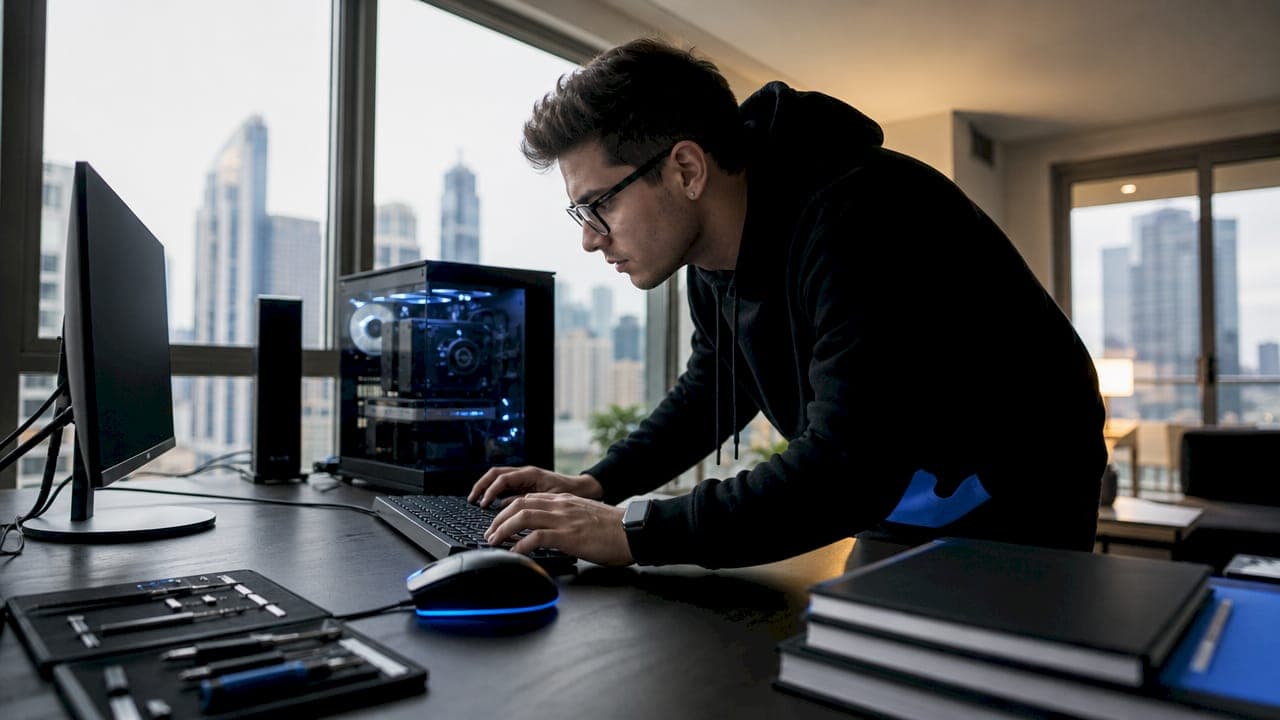
Maintaining a clean gaming account while using cheats is defined by three pillars: stealth operation, behavioral discipline, and strong account security. Anti-cheat systems in 2026 have grown significantly more sophisticated, combining software scanning with human review pipelines that flag unusual player behavior. Keeping your account safe requires more than just picking the right cheat software. You need a complete approach that covers your technical setup, your in-game behavior, and your account credentials. This guide walks you through every layer of that approach, from choosing the right tools to locking down your login security.
How to maintain a clean account using cheats: tools and setup
The foundation of cheating without detection is your technical environment. OS-level overlays and separate device setups are the two most effective methods in 2026 because they operate entirely outside the game's observable software environment. Standard anti-cheat engines scan running processes and memory within the host machine. A cheat running on a separate device or rendered through an OS-level overlay never appears in those scans.
Browser-based cheat tools are the worst choice for safe account management. JavaScript detection and screen recording software can identify browser extensions or in-browser overlays almost immediately. Native desktop overlays excluded from OS-level screen capture are effectively invisible to these detection methods.
| Platform | Detection risk | Notes |
|---|---|---|
| Browser extension | High | Visible to JavaScript and screen recording |
| In-game software injection | Medium | Detectable by process and memory scans |
| OS-level overlay | Low | Excluded from screen capture at render level |
| Separate device (DMA hardware) | Very low | Operates outside the host machine entirely |
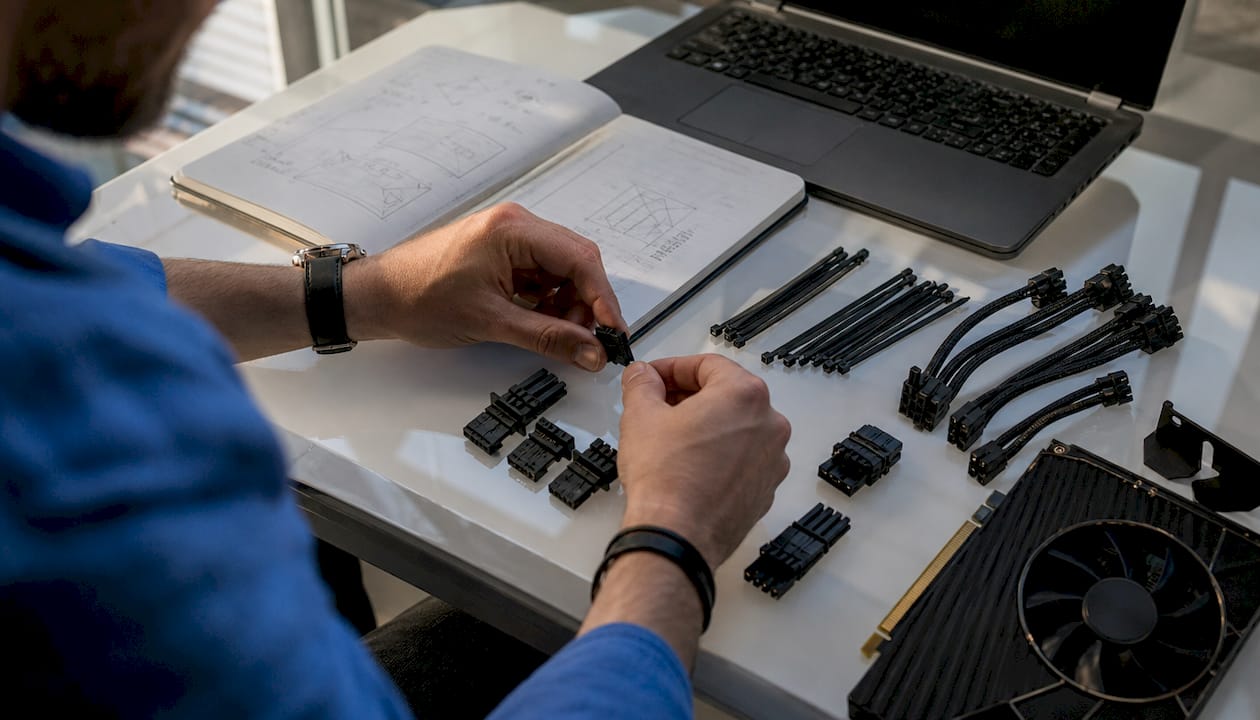
Hardware requirements for a low-risk setup include a secondary PC or a DMA card that reads game memory from a PCIe slot without injecting code into the game process. Software requirements include a cheat client that supports process masking and a display output that renders the overlay on your primary monitor without exposing it to capture software.
Pro Tip: Never run cheat software through the same browser session you use to access your game account. Browser fingerprinting can link the two sessions and flag your account for review.
Step-by-step guide to deploying cheats safely
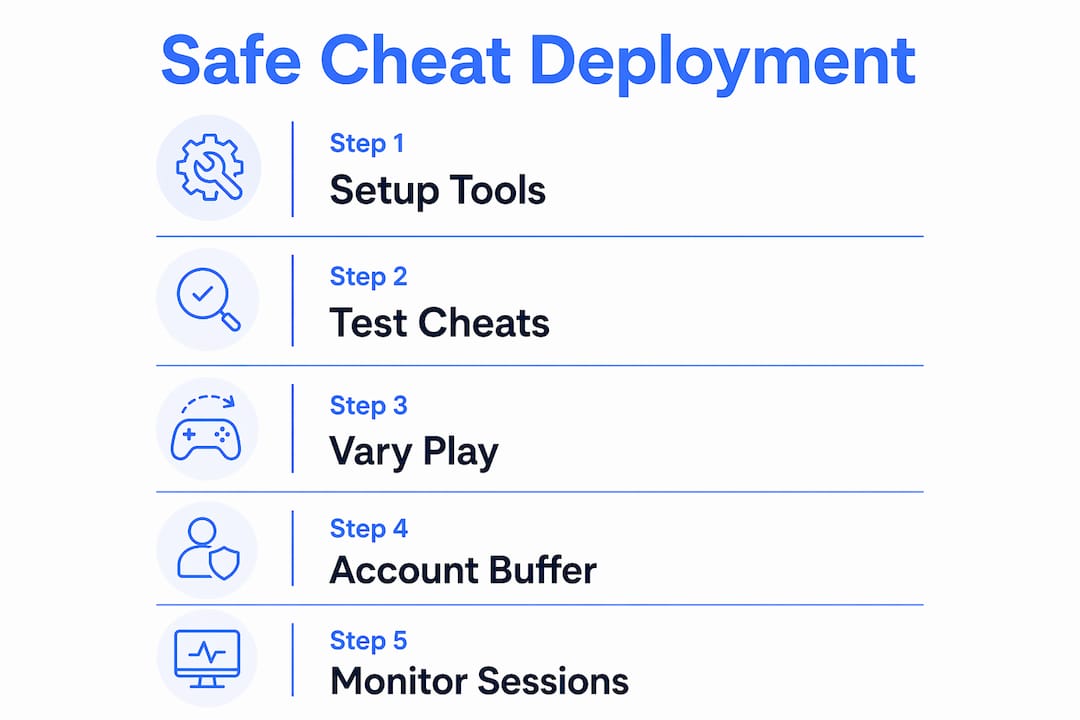
Safe deployment is a process, not a one-time setup. Follow these steps every session to keep your gaming account clean and your risk level low.
- Boot your secondary device or DMA hardware first. Power on your cheat device before launching the game on your primary machine. This separates the cheat process from the game process at the hardware level.
- Launch the game client with no other software running. Close all unnecessary background applications. Anti-cheat software logs active processes, and an unusual process list can trigger a manual review.
- Load the cheat overlay after the game reaches the main menu. Activating the overlay during the loading screen reduces the window during which the anti-cheat scanner checks for new processes.
- Configure cheat settings to mimic natural play. Set aimbot smoothness values high enough that your crosshair movement looks human. Instant snap-to-target behavior is the single most common trigger for human reviewers watching kill cams.
- Avoid switching tabs or alt-tabbing during a match. Suspicious on-screen behavior like frequent focus loss is logged by several anti-cheat systems and can contribute to a flagging event.
- Shut down the cheat client before closing the game. Terminating the overlay while the game is still running can leave process artifacts that a post-session scan picks up.
- Clear your overlay's log files after each session. Most cheat clients generate local logs. Deleting these removes evidence that could surface during a forensic review if your machine is ever inspected.
Pro Tip: Vary your in-game performance deliberately. Dropping from a top-three finish to a mid-table result once every few sessions makes your stats look organic and reduces the statistical anomaly flags that automated systems use.
Behavioral discipline is as important as your technical setup. Unnatural input patterns and off-screen staring are the two behaviors most likely to generate a manual report from another player. Keep your mouse movement varied, your reaction times within human range, and your camera behavior consistent with how you normally play.
How do you secure your gaming account against cheat-related investigations?
Account security is the layer most gamers ignore until it is too late. A ban investigation often starts with an account compromise, not a cheat detection event. Securing your account means an attacker cannot take it over and use it as evidence against you, and it means you have recovery options if you are flagged.
Hardware-based multifactor authentication using FIDO2 is the gold standard for account protection. A FIDO2 hardware key, such as a YubiKey, generates a cryptographic response that cannot be phished or intercepted. SMS-based two-factor authentication is not sufficient because SIM-swapping attacks are common and easy to execute.
Key account hardening steps:
- Lock your recovery email. Recovery paths are the most exploited attack vector in account takeovers. Use a dedicated email address for your gaming account that you do not share anywhere else.
- Audit active sessions weekly. Most gaming platforms show you every device currently logged into your account. Remove any session you do not recognize immediately.
- Use a unique, generated password. A password manager like Bitwarden or 1Password generates credentials that cannot be guessed or brute-forced.
- Disable SMS recovery where possible. Replace phone-based recovery with an authenticator app or a FIDO2 key.
- Never click account-related links in Discord DMs. Social engineering attacks targeting gamers almost always arrive through Discord, often impersonating support staff.
Pro Tip: Create a secondary "buffer" account for testing new cheats. Never test an untried cheat on your main account. If the cheat triggers a detection event, only the buffer account takes the ban.
Reviewing your active sessions is not just a security practice. It also tells you whether someone else has accessed your account, which is critical information if you are ever flagged for behavior you did not perform.
What mistakes trigger anti-cheat detection and how do you avoid them?
Most bans come from avoidable mistakes, not from anti-cheat software catching the cheat itself. Stealth-mode cheats bypass software detection, but human reviewers watching replays or kill cams can still identify unnatural play. Knowing the red flags helps you stay below the threshold.
Common behavioral red flags:
- Prolonged off-screen staring between engagements
- Crosshair movement that snaps to targets faster than human reaction time allows
- Consistent headshot rates above what your stated skill level would produce
- Zero missed shots during high-pressure, multi-target scenarios
- Reacting to enemies through walls before they become visible
Common setup mistakes:
- Using a browser extension or in-browser cheat tool instead of a native overlay
- Running the cheat client under a process name that is flagged in known cheat databases
- Failing to mask the cheat process from the game's process scanner
- Using the same hardware ID across a banned account and a new account
Splitting your play across two accounts is one of the most effective risk management strategies available. Keep a "main" account for ranked play where you use cheats conservatively, and a secondary account for experimenting with new cheat configurations. If the secondary account gets flagged, your main account remains clean. The cost of losing a secondary account is far lower than losing a ranked account with hundreds of hours invested.
Recognizing early signs of being flagged gives you time to act. A sudden drop in matchmaking quality, being placed in lobbies with unusually skilled players, or receiving an "under review" notification are all signals. At that point, stop using cheats on that account immediately and review your session logs.
Key Takeaways
Maintaining a clean gaming account while using cheats requires combining OS-level stealth tools, disciplined in-game behavior, and hardware-grade account security to stay below both software and human detection thresholds.
| Point | Details |
|---|---|
| Use OS-level or DMA setups | Browser-based cheat tools are easily detected; native overlays and DMA hardware are not. |
| Mimic human behavior in-game | Unnatural aim speed and reaction times trigger human reviewers even when software scans fail. |
| Secure account with FIDO2 | Hardware authentication keys stop phishing and SIM-swap attacks that compromise accounts. |
| Lock recovery paths | Attackers target recovery emails and phone numbers more than passwords or two-factor codes. |
| Use a buffer account for testing | Test new cheats on a secondary account to protect your main account from detection events. |
The arms race no one talks about honestly
The conversation around cheating and detection is almost always framed as a binary: you either get caught or you do not. That framing misses the real dynamic, which is a slow-moving arms race where the advantage shifts constantly.
What I have seen over years of watching this space is that the biggest risk is not the anti-cheat software. It is complacency. Gamers who set up a solid stealth environment and then get lazy about their behavior are the ones who end up banned. The software side of detection has real limits. Human review does not. A single well-placed kill cam report from a frustrated opponent can put your account under manual scrutiny, and no overlay in the world hides a 0.003-second reaction time on a replay.
The other thing most guides skip is the account security angle. Your cheat setup can be perfect, and you can still lose your account to a phishing attack or a compromised recovery email. Treating account security as separate from cheat safety is a mistake. They are the same problem.
My honest advice: invest as much time in your behavioral discipline and account hardening as you do in your technical setup. The gamers who keep accounts clean long-term are not the ones with the most sophisticated cheats. They are the ones who play the long game, vary their performance, and treat their account like something worth protecting.
— Fonics
Midnight-market's undetected cheats and DMA hardware
Midnight-market builds its product line around the exact principles covered in this guide. Every cheat in the Midnight-market store goes through daily testing to confirm it remains undetected across titles including EFT, Valorant, Apex Legends, and Warzone. The hardware side of the catalog includes DMA cards that read game memory from a PCIe slot, keeping the cheat process entirely off the host machine.
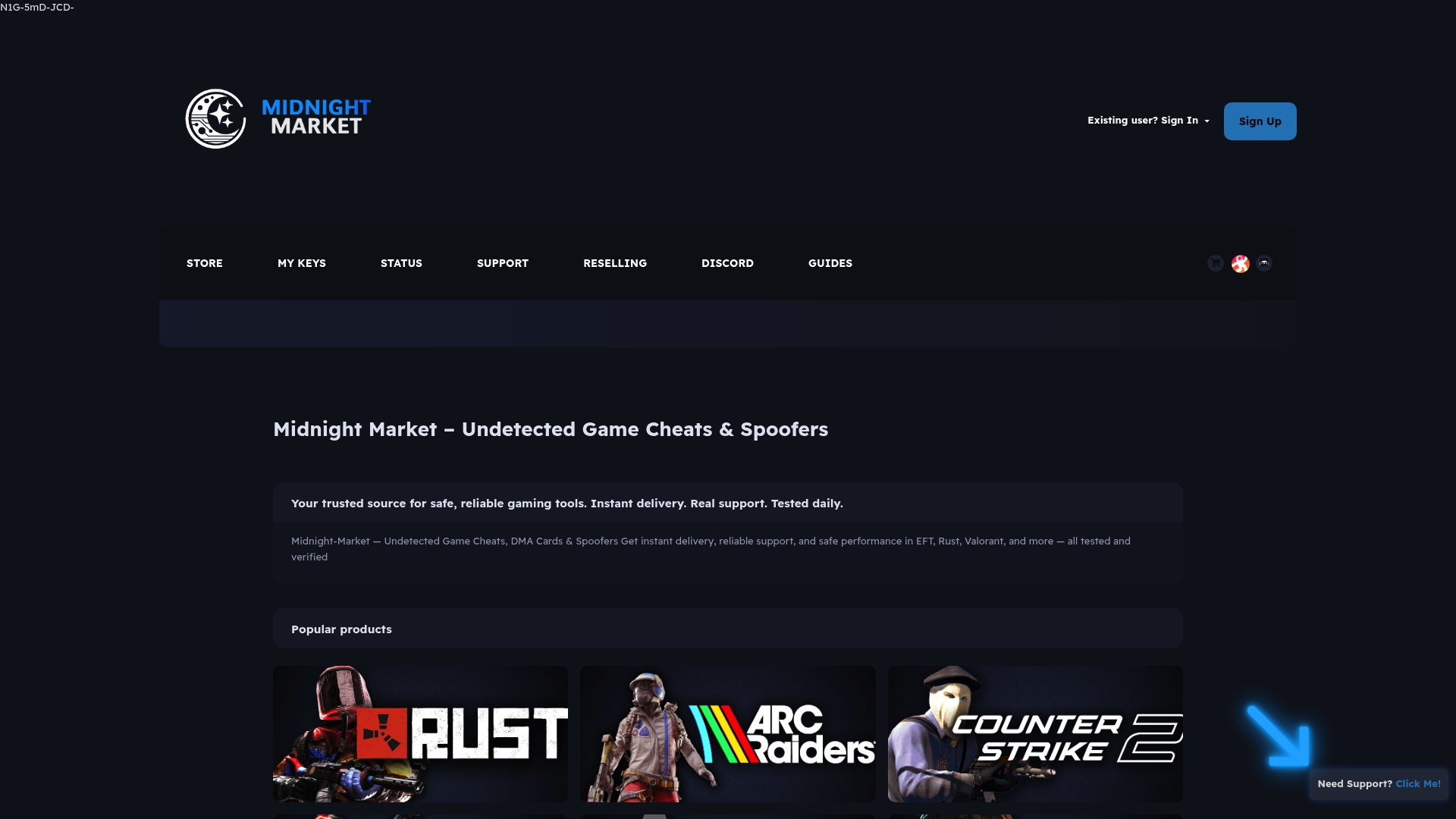
Live Discord support means you get real-time help if your setup needs adjusting after a game update. Hardware warranties cover the physical devices, so your investment is protected. If you want a cheat setup that matches the stealth principles in this guide, Midnight-market's catalog is the place to start.
FAQ
What is the safest way to cheat without getting banned?
The safest approach combines an OS-level overlay or DMA hardware with disciplined in-game behavior that mimics natural human play. Software detection alone cannot catch cheats that operate outside the game's observable environment, but human reviewers can still flag unnatural behavior.
Does hardware-based authentication actually protect a gaming account?
Yes. FIDO2 hardware keys prevent phishing and SIM-swap attacks, which are the most common methods used to compromise gaming accounts during cheat-related investigations. SMS-based two-factor authentication does not provide the same level of protection.
What behavioral mistakes trigger manual ban reviews?
Off-screen staring, crosshair snap speeds faster than human reaction time, and consistent headshot rates above your stated skill level are the top triggers. Human reviewers watching kill cams identify these patterns even when the cheat software itself is undetected.
Should I use the same account for testing new cheats?
No. Always test new cheat configurations on a secondary buffer account. If the cheat triggers a detection event, only the buffer account is at risk, and your main ranked account stays clean.
How do I know if my account has been flagged?
Early signs include a sudden drop in matchmaking quality, placement in lobbies with unusually high-skill players, or a formal "under review" notification from the platform. Stop cheat use on that account immediately if any of these appear.