In this article, "pc hacks" means one thing: DMA hardware, HWID spoofers, and undetected cheat systems used to gain competitive advantages in multiplayer games. This is not a setup guide, a firmware tutorial, or a procurement walkthrough. No step-by-step instructions appear here.
Here is what you will find:
- High-level definitions of DMA cards, HWID spoofers, and undetected cheat software
- How hardware, firmware, and software each play a role conceptually
- How modern anti-cheat systems detect cheats and where they struggle
- Real risks: account bans, hardware blacklisting, scams, and legal exposure in the U.S.
- How to spot fraudulent vendors and social-engineering traps
- Lawful alternatives that actually improve your competitive performance
- Ethical considerations and community impact
Key Takeaways
DMA hardware, HWID spoofers, and undetected cheat software each carry distinct risk profiles, and permanent account loss plus hardware blacklisting are the most likely worst-case outcomes for U.S.-based players.
| Point | Details |
|---|---|
| DMA cheats run on separate hardware | A second PC reads game memory via PCIe, making cheat logic invisible to many software anti-cheats. |
| Firmware quality drives detection risk | Poor or generic firmware is the most common cause of immediate detection after game updates. |
| HWID bans survive account resets | Riot Games and other publishers tie hardware bans to your machine, not just your account. |
| Scam red flags are consistent | Lifetime undetected guarantees, crypto-only payment, and no refund policy are reliable warning signs. |
| Midnight-market offers daily-tested products | Daily detection monitoring, instant delivery, and hardware warranties distinguish it from generic providers. |
Table of Contents
- What are DMA cards, HWID spoofers, and undetected cheats?
- How do modern anti-cheat systems detect cheats?
- What are the real risks of using PC hacks in the U.S.?
- How do you spot scams and shady vendors selling online game hacks?
- What lawful alternatives actually improve your competitive performance?
- How does cheating affect gaming communities and esports integrity?
- An editorial perspective on safety-first choices
- Midnight-market: daily-tested cheats and DMA hardware for serious players
- Sources
What are DMA cards, HWID spoofers, and undetected cheats?
These three categories sit at different points on the complexity and cost spectrum. Understanding the difference matters before you weigh any risk.
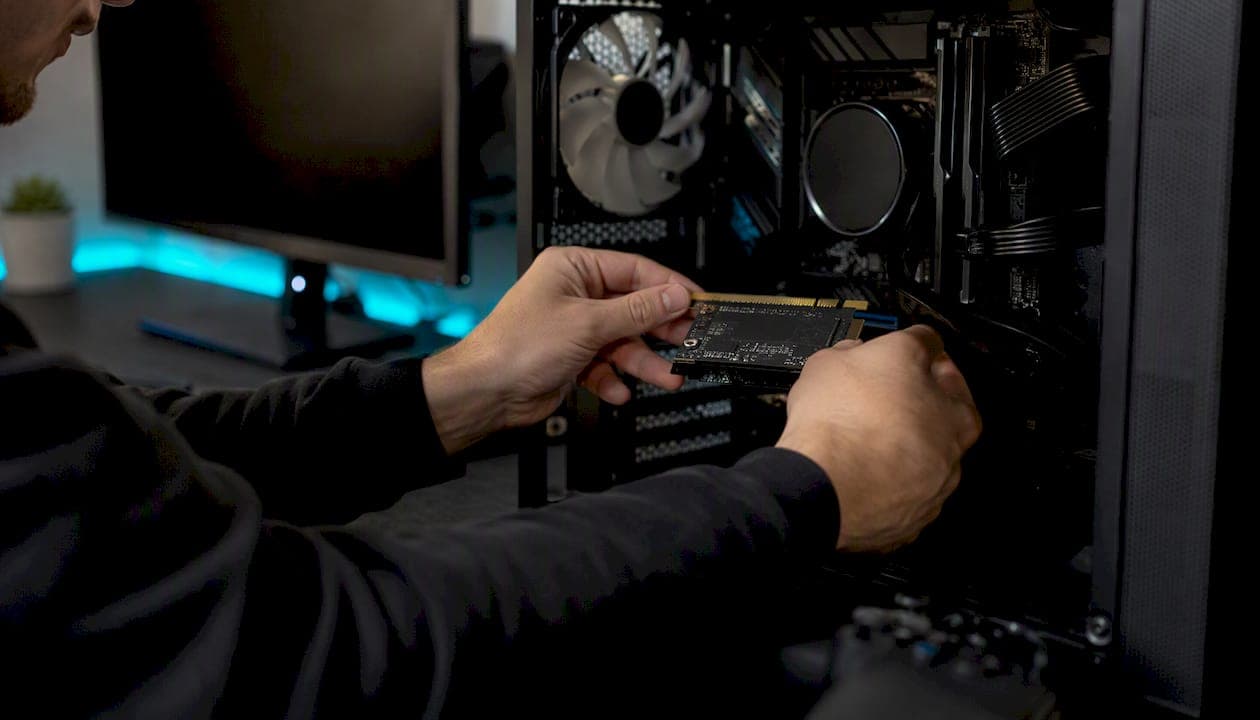
DMA cards (Direct Memory Access cards) are PCIe hardware devices that let a second PC read the game PC's memory from outside the operating system. Because the cheat logic runs on a separate machine, many software-based anti-cheat systems never see it. According to NerdBot, when a DMA setup only reads memory and never writes to the game process, it can be effectively invisible to software scans. The tradeoff is cost and complexity: a full DMA rig requires a card, a second PC, and an overlay solution.
HWID spoofers mask or alter the hardware identifiers your PC broadcasts. Publishers like Riot Games use these identifiers to enforce bans that survive account deletion. A spoofer intercepts or replaces those signals so a banned machine appears clean to the game's detection layer.
Undetected cheat software covers a broader category: external overlays, aim cheats, wallhack cheats, and ESP tools that run as separate processes. "Undetected" is always a temporary status. Detection depends on how quickly the vendor updates the software after game patches.
| Category | Primary mechanism | Relative cost | Detection difficulty |
|---|---|---|---|
| DMA hardware | PCIe memory reads from second PC | High | Harder for software anti-cheat |
| HWID spoofer | Hardware ID masking | Low to moderate | Moderate |
| Undetected cheat software | External process / overlay | Low | Varies by update cadence |
Key conceptual distinctions:
- Hardware handles the physical data channel (PCIe bus reads)
- Firmware determines how the DMA card presents itself to the host system
- Software processes the raw memory data into usable overlays or aim cheats
For a deeper conceptual breakdown, Midnight-market's guide on DMA cheating concepts covers the architecture without actionable steps.
How do modern anti-cheat systems detect cheats?
Anti-cheat has evolved from simple file scanners into multi-layered systems that operate at the kernel level and beyond. The short answer: today's top anti-cheat stacks inspect running processes, loaded drivers, device enumerations, and behavioral patterns simultaneously.
The escalation has been steady:
- User-mode scanning (early 2000s): checked file hashes and memory signatures
- Kernel-level drivers (mid-2010s): gained ring-0 access to inspect deeper system states
- Device enumeration and PCIe auditing (current): scans connected hardware for anomalous or unrecognized devices
- Server-side behavior analytics (current): flags statistical outliers in aim, movement, and reaction data
Industry analysis confirms that publishers are now pairing system-level protections with server-side behavioral analysis, and some partner with OS vendors to harden detection further.
Where does hardware-based cheating challenge this? A DMA card that performs only memory reads generates no suspicious process, no injected driver, and no anomalous system call. The gap is at the PCIe level: if the card's firmware accurately emulates a legitimate donor device, enumeration checks may pass it. Technical documentation identifies 1:1 device emulation as the key stealth factor for DMA devices.
Firmware quality is the single biggest variable in detection risk. Poor or generic off-the-shelf firmware is the most common reason a DMA setup gets flagged immediately after a game update. A well-maintained, accurate firmware profile can extend a device's undetected window significantly, but no firmware is permanently safe.
Game updates frequently reset that window. Midnight-market's internal analysis on why cheats get detected covers the update-detection cycle in detail.
What are the real risks of using PC hacks in the U.S.?
The probable worst outcomes are permanent account loss and hardware blacklisting. Both are enforced by publishers directly, with no appeals process in most cases.
Riot Games documents hardware ID bans explicitly: a HWID ban ties the penalty to your machine, not just your account. Creating a new account on the same hardware triggers the ban again.
| Consequence | Likelihood | Typical impact |
|---|---|---|
| Account ban | High | Permanent loss of account, skins, and progress |
| HWID blacklisting | Moderate to high | Affects all accounts on the same hardware |
| Payment fraud / chargeback | Moderate | Disputed charges, platform payment bans |
| ToS / contract breach | High | Civil liability exposure, EULA enforcement |
| Legal risk (CFAA) | Low to moderate | Potential federal exposure for unauthorized access |
On cost: industry guides place hardware-based cheat setups in a range that can exceed the value of the accounts they are used on, especially when firmware maintenance and subscription fees are factored in.
U.S.-specific enforcement trends are worth noting. American publishers have been aggressive with payment dispute responses. Chargebacks on cheat purchases often result in payment processor bans that extend beyond gaming platforms.
- Account value lost in a ban typically exceeds the cost of the cheat software itself
- HWID bans require hardware replacement or spoofing to circumvent, adding further cost
- Legal exposure under the Computer Fraud and Abuse Act (CFAA) is real for unauthorized memory access, even in a gaming context
How do you spot scams and shady vendors selling online game hacks?
The dominant scam patterns are fake firmware, expired license keys, bait-and-switch pricing, and chargeback liability traps. Knowing the red flags before you spend anything is the only protection.
Red flags to watch for:
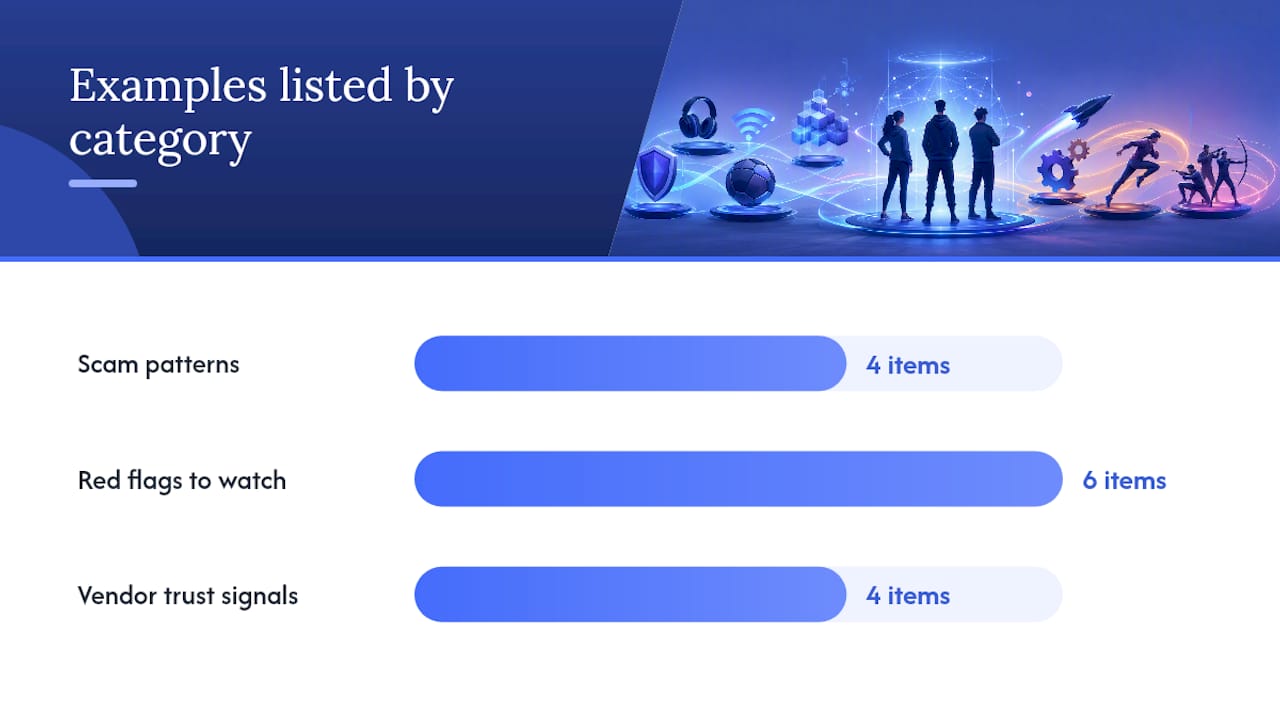
- Claims of "100% undetected, lifetime guarantee" — no cheat survives every game update indefinitely
- Payment demanded via cryptocurrency only, gift cards, or other untraceable methods
- No clear refund or warranty policy stated before purchase
- Pushy Discord invite tactics with urgency pressure ("only 3 slots left")
- Firmware source is unverifiable or described only in vague marketing language
- No community presence, no verifiable reviews, and no history of public detection status updates
Vendor trust signals worth checking:
- Active, searchable community presence with real user feedback
- Transparent detection status updates after game patches
- Use of regulated payment processors (not just crypto wallets)
- Clear warranty terms tied to detection events, not just hardware defects
Pro Tip: Before purchasing any cheat or spoofer, search the vendor's name alongside "detected" or "ban wave" in relevant gaming forums. A vendor with no public detection history is either very new or scrubbing their record. Neither is reassuring.
What lawful alternatives actually improve your competitive performance?
Meaningful, lasting improvement comes from training and system optimization. Cheating produces short-term stats; skill compounds over time.
- Aim training programs — Tools like Aim Lab and KovaaK's let you isolate and drill specific movement patterns. Thirty minutes of focused scenario training daily produces measurable improvement in tracking and flicking within weeks.
- Frame rate and latency tuning — Reducing input lag through display settings, driver updates, and in-game graphics optimization has a direct effect on reaction time. A 240Hz monitor at low latency outperforms a 60Hz setup regardless of aim skill.
- Hardware upgrades — A high-refresh-rate monitor, a low-latency mouse, and a responsive mousepad are the three hardware changes with the highest return on competitive performance per dollar spent.
- VOD review and coaching — Watching your own replays with a structured checklist (positioning, crosshair placement, economy decisions) identifies patterns that aim training alone cannot fix.
- Team communication skills — In team-based titles like Valorant, Rainbow Six Siege, and CS2, callout discipline and rotational awareness often matter more than raw mechanical skill.
For hardware guidance and practice resources, Midnight-market's blog covers how hardware cheat devices work conceptually, which also helps you understand what legitimate hardware upgrades actually change about your input pipeline.
Professional coaching is worth the cost when you have plateaued despite consistent practice. A single session with a ranked coach identifying your specific mechanical or strategic weaknesses typically produces more improvement than weeks of unguided grinding.
How does cheating affect gaming communities and esports integrity?
Cheating degrades the ecosystem for everyone, including the cheaters. When detection rates rise, publishers divert development resources from content to anti-cheat infrastructure. That is a direct cost to the player base.
Two patterns illustrate this clearly. First, widespread aimbot use in battle royale titles has forced publishers to implement server-side statistical analysis that flags legitimate high-skill players, creating false-positive ban waves that damage community trust. Second, hardware-based cheating in esports has pushed tournament organizers toward invasive hardware inspection protocols that slow events and increase overhead costs.
The community impact compounds over time:
- Matchmaking integrity erodes as cheaters cluster in high-skill brackets
- New players leave games faster when their early experience includes obvious cheaters
- Esports organizations face reputational damage when hardware cheating scandals surface
An editorial perspective on safety-first choices
The gap between what hardware cheats promise and what they actually deliver is wider than most buyers expect. The firmware maintenance cycle, the detection window after every game update, and the permanent hardware ban risk combine into a cost structure that rarely makes sense when measured against account value and time invested.
If you are still drawn to this category, the single most important variable is vendor reliability: daily detection monitoring, transparent status updates, and a clear warranty tied to detection events. Generic providers with no update history are not a bargain; they are a liability.
The lawful path, aim training, hardware tuning, and coaching, is slower but compounds. A HWID ban resets everything. Skill does not.
Midnight-market: daily-tested cheats and DMA hardware for serious players
Serious competitive gamers who have already decided to explore this category need a provider that tests daily, communicates detection status openly, and backs products with real warranties.

Midnight-market tests every product daily across supported titles including Valorant, Escape from Tarkov, Apex Legends, CS2, Fortnite, and more. Instant key delivery and live Discord support mean you are not waiting on a ticket queue when a game update drops. Hardware warranties cover DMA products specifically, which generic providers rarely offer. Browse the full catalog at Midnight-market's store, or go directly to Valorant DMA cheats if that is your title. Check current detection status and product availability before purchasing.
Sources
- Riot Games Support
- What are DMA cheats and how do they work? - NerdBot
- Emerging Threats to Game Integrity: Unpacking the DMA Cheat Conundrum
- Docs